
A roof complaint rarely arrives by itself. A property manager may also need an owner’s approval, an update for a resident, access to a locked building, and a clear record of what happened. Across several addresses, even a small repair becomes difficult to track when the scope, schedule, and documentation are scattered.
RGR Construction and Roofing, LLC supports property managers, HOA boards, apartment communities, rental portfolios, and commercial properties across Wilmington and coastal Southeastern North Carolina. The work starts with the property’s condition and the decisions needed to move forward—not an assumption that every issue calls for replacement.
This guide explains how roofing and general construction support can fit a managed-property workflow, from the first request through closeout and future planning.
Why Property Managers Need the Right Contractor Relationship
A low price or an early opening on the calendar is only part of the decision. Managers also need a scope they can explain, an understanding of occupied-property access, and a contractor who communicates when field conditions change.
An ongoing relationship gives both teams a chance to establish how approvals, updates, and records should work. It also makes repair-versus-replacement discussions more useful when prior findings and repairs are available. The practical aim is simple: Fewer surprises. Faster decisions. Cleaner records. Response and scheduling still depend on the work, conditions, and availability.
What a useful contractor relationship supports
- Clear repair scopes and photo documentation
- Tenant-aware scheduling and property access coordination
- Consistent communication across multiple properties
- Storm-related planning and roofing plus construction support
Roofing Support for Managed Properties
Inspections and Repair Recommendations
Roof inspections help document accessible conditions and identify potential repair needs. Share the leak history, prior work, roof records, and observations from occupants. An inspection can explain visible concerns while identifying areas that need further investigation; it cannot reveal every concealed condition.
Roof repair may address damaged materials, flashing, penetrations, or other localized defects. A recurring ceiling stain needs a diagnosis: condensation, HVAC components, or exterior openings can produce symptoms that resemble a roof leak.
Replacement and Residential Roof Systems
Repeated repairs may become less practical when deterioration is widespread or the existing system cannot support a durable repair. RGR can explain the observed condition, the limitations of continued repair, and the proposed replacement scope.
For residential properties, that discussion may include architectural asphalt shingles, roof-deck condition, flashing, and ventilation. The manager needs to know what the proposal corrects and which existing conditions remain outside it.
Commercial and Low-Slope Roofing
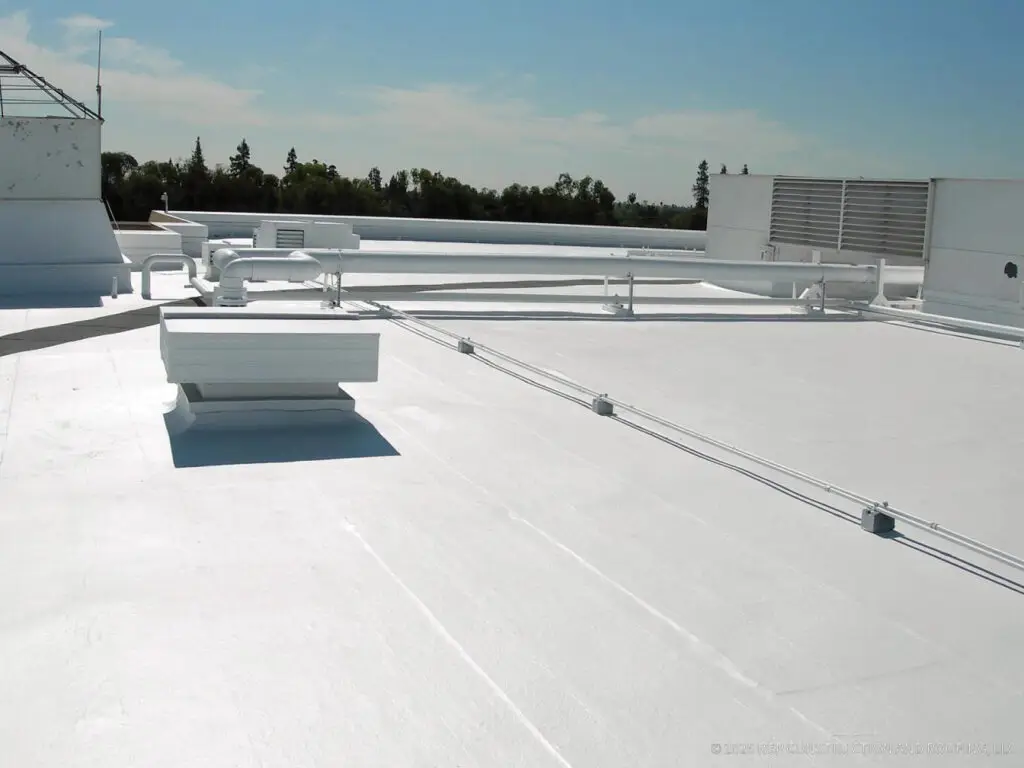
RGR’s commercial roofing support includes low-slope and flat-roof concerns, TPO repair, EPDM repair, and coatings where the existing assembly is suitable. The membrane must be identified before compatible repair materials and methods are chosen.
On occupied commercial buildings, rooftop equipment, drainage, access, and work by other trades also matter. A coating is not a substitute for correcting wet insulation, damaged decking, or failed details.
Property Manager Support Beyond Roofing
A roofing concern may lead to an exterior wall, damaged framing, or interior finishes that need rebuilding. As a licensed general contractor, RGR can discuss a coordinated construction scope when the property needs more than work on the roof covering.
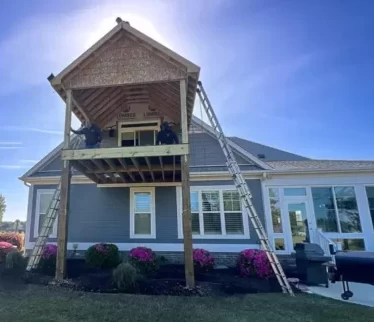
RGR’s general construction services include exterior and structural repairs, decks, porches, remodeling, and restoration work. Storm damage, fire damage-related reconstruction, and interior rebuild projects require review of the actual conditions and the work needed.
For a rental turnover, identify the repairs essential before occupancy and the improvements that can be planned separately. A defined scope helps distinguish immediate property needs from optional upgrades and avoids mixing them into an unclear approval request.
A Simple Workflow for Property Managers
Request → Inspect → Scope → Schedule → Close Out
1. Request
Send the address, a brief description, available photos, access arrangements, and general priority. Note active water entry or an occupancy constraint. Use a business contact; do not include sensitive tenant records, identification, or access codes in an initial public form.
2. Inspect
RGR evaluates the relevant accessible conditions and documents findings. Tell the team which building or roof area is involved. If the cause cannot be established visually, the next step may be a defined investigation.
3. Scope
Review pricing and recommendations with the owner, board, association, or internal management team. Clarify included work, exclusions, concealed-condition assumptions, and who can authorize changes before the project advances.
4. Schedule
After approval, coordinate timing, access, materials, and project communication. Identify who sends occupant notices and who can resolve access questions. Weather and field conditions can affect the agreed sequence.
5. Close Out
Review the completed scope and any remaining items. Applicable records can include completion photos, notes, an invoice, warranty information, and recommendations. Confirm the documentation needed for your management records when setting up the job.
Documentation That Helps Property Managers Make Decisions
Before the Work
Establish the scope, access requirements, project priorities, anticipated timing, and approval status. Include the correct property identifier and a decision-making contact. A board reviewing several projects should be able to distinguish a proposed repair from an approved job without interpreting a long email chain.
During the Work
Agree on useful progress communication. Relevant field conditions, a change-order need, or a schedule issue should be connected to the affected building and scope. Photos can support that explanation, but the accompanying note should say what was observed and what decision is needed.
After the Work
Keep completion photos, project notes, invoices, applicable warranty information, and recommendations together. The available documentation depends on the job and agreed scope. Organized records help managers communicate with owners, HOA boards, asset managers, and insurance representatives. Contractor documentation describes construction conditions and work; it does not determine insurance coverage.
Storm Damage and Coastal Property Support
Hurricanes, high winds, wind-driven rain, and heavy rainfall can affect several properties at once. Coastal humidity and salt-air exposure also influence how materials and assemblies are evaluated over time.
Storm-related support may include roof inspection, visible damage documentation, temporary protection recommendations, repair planning, and replacement where warranted. Tarping coordination may be available when appropriate to the condition and current capacity. Do not assume immediate access or a guaranteed response time during a widespread event.
Keep people away from unsafe areas and promptly notify the insurer or agent when a loss may involve coverage. The NC Department of Insurance’s after-loss guidance explains notification and documentation responsibilities. RGR can provide contractor-side observations and estimates; the insurer determines coverage and payment.
Preventive Roof Maintenance and Capital Planning
Seasonal condition reviews, pre-storm-season inspections, and assessments after significant weather can help turn observations into a manageable repair list. The inspection schedule should reflect the roofing system, manufacturer requirements, exposure, and property history.
Track flashing, penetrations, gutters, drainage concerns, and areas with repeat leaks. A photo-based list becomes more useful when it includes location, observed condition, proposed action, and priority. Distinguish items needing prompt attention from planned repairs and conditions to monitor.
For budgeting, ask what supports continued repair and what points toward replacement. Separate known work from allowances for concealed conditions. This can help prepare for capital expenses and may reduce avoidable emergency maintenance, but it cannot eliminate storm damage or predict every failure. Construction recommendations are not a formal reserve study.
Supporting Multiple Properties and HOA Communities
A portfolio request should identify the addresses, building types, known issues, and decision makers. Multiple-property inspections and scheduling may be coordinated depending on the portfolio, scope, and availability. Grouping work geographically may help planning, but priorities and access still need individual review.
For HOA communities and apartment buildings, establish which roofs and exterior components belong in the association’s scope and who can approve work. Rental homes and commercial properties may have different occupancy and notice requirements. Use consistent property labels in photos, estimates, and invoices so one building’s repair is not confused with another’s.
Roofing Built for Coastal North Carolina
Plan for the assembly, not just the roof covering. Wind exposure, salt air, humidity, heavy rain, and repeated storm cycles make flashing, attachments, drainage, and compatible materials important parts of coastal roofing decisions.
FORTIFIED roofing may be worth discussing when a replacement is planned. Eligibility and requirements depend on the property and applicable standard, with evaluator coordination where needed. Not every roof qualifies, and no designation makes a building storm-proof.
Credentials Property Managers Can Share With Owners
RGR Construction and Roofing, LLC is a licensed and insured general contractor based at 340 Shipyard Blvd, Wilmington, NC 28412. The current company information identifies NC Unlimited General Contractor license #82033 and the CertainTeed ShingleMaster PRO credential.
Ask for current insurance documentation and project-specific credential or warranty information needed by your owner or association. FORTIFIED coordination applies where appropriate. Workmanship and manufacturer coverage should be reviewed in the applicable written agreement and warranty documents; a credential alone does not establish coverage for every property.
Reach RGR at 910-408-6026. The company website is www.rgrconstructionllc.com.
Property Manager Service Areas
RGR serves managed properties throughout Southeastern North Carolina. Around Wilmington, that includes Carolina Beach, Wrightsville Beach, Castle Hayne, and Kure Beach. Hampstead-area properties can also be included in a scope discussion.
Across Brunswick County, RGR works with property needs in Leland, Southport, and Oak Island. Share the full portfolio’s locations at the outset so the team can assess suitable work and scheduling.
Frequently Asked Questions
Can you coordinate repairs with our property management team?
Yes. RGR supports property managers, owners, HOA boards, associations, rental portfolios, apartment properties, and commercial properties with roofing and construction needs.
Can you assess several properties for our portfolio?
Multiple-property inspection coordination may be available depending on the locations, portfolio, scope, and scheduling capacity. Share the addresses and priorities for review.
Can we receive photos and repair documentation?
Before, during, and after photos and applicable project documentation may be provided depending on the job. Agree on the records needed when defining the scope.
Can one contractor review our home roofs and commercial roofs?
Yes. RGR supports residential roof systems and commercial or low-slope roofing, including system-appropriate TPO and EPDM repair and coatings where suitable.
What support can you discuss after a major storm?
RGR can discuss inspection, documentation, temporary protection recommendations, and repair planning. Availability and safe access affect scheduling; no guaranteed emergency response is implied.
Can you provide information for our HOA board’s review?
Yes. Scopes, pricing, photos, and project information can support HOA review and approval. Identify the authorized decision maker and required approval steps early.
Can you help us decide between repairing and replacing a roof?
RGR can assess visible conditions and recommend repair or replacement based on the roofing system and project conditions. Concealed concerns may require further investigation.
Can related structural or exterior repairs be included?
Yes. RGR’s construction capabilities include exterior and structural repairs, remodeling, decks, porches, and restoration-related work, subject to the defined project scope.
For ongoing support, discuss a partnership with RGR and share your properties, priorities, and approval process.
Share this article