
A loose shingle or a stain on the ceiling is worth checking before it becomes a recurring problem. In Wilmington and Southeastern North Carolina, wind-driven rain and long stretches of humid weather can make it difficult to tell where moisture started. A useful repair begins with evidence of the cause, the condition of the surrounding roof, and the materials affected below it.
That does not mean every roof needs replacing. It means taking a small warning seriously enough to get a clear answer. Here are five practical reasons to arrange a roof assessment instead of repeatedly covering up the symptoms.
1. Water Can Travel Beyond the Visible Stain
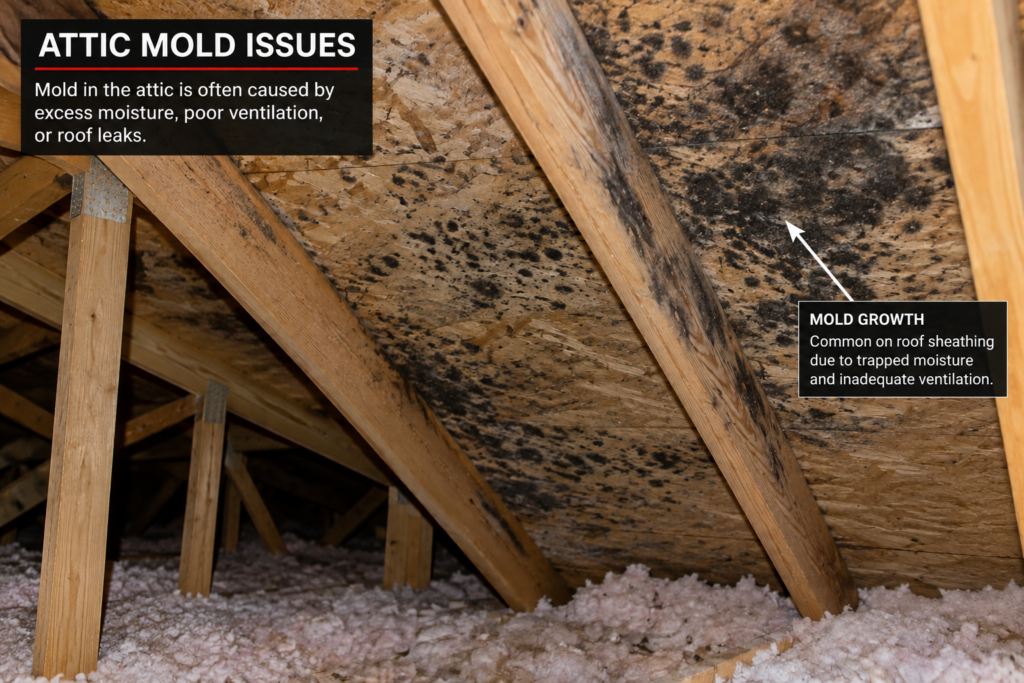
Water entering at flashing, a damaged roof covering, or a penetration may travel along decking or framing before it reaches the ceiling. The stain you see indoors may be some distance from the entry point. Repainting it without identifying the source can leave the actual problem in place.
Repeated wetting may affect insulation, drywall, trim, and concealed wood. The extent depends on how much water entered, how long materials stayed wet, and whether the assembly could dry. A roofer should explain what was observed and whether additional construction investigation is needed.
A stain can also come from condensation, plumbing, or HVAC components. Our guide to roof leaks versus condensation in coastal homes explains why the source needs to be identified before the repair is chosen.
2. A Localized Defect Can Affect Otherwise Serviceable Roofing
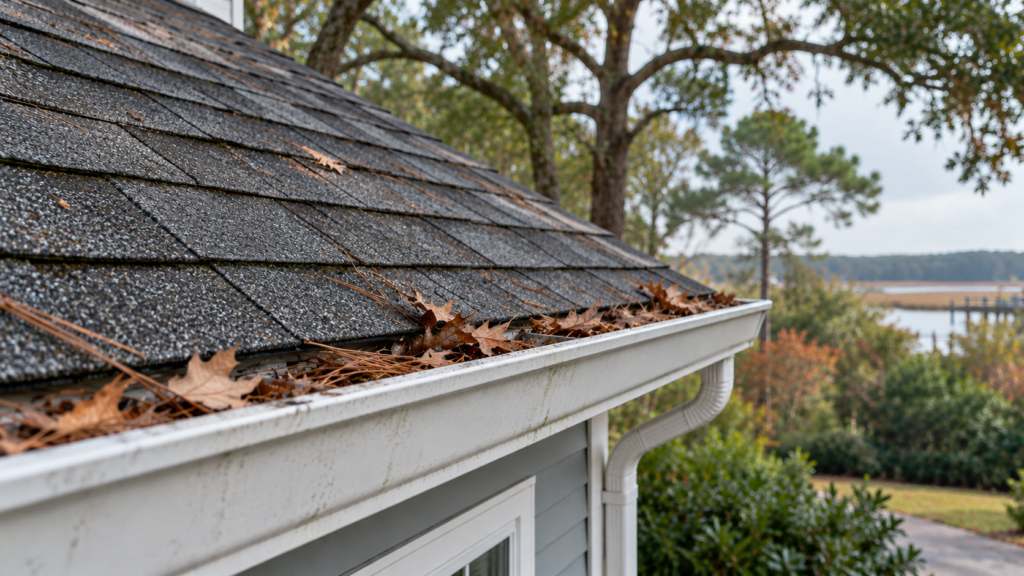
A damaged pipe boot, loose flashing, or isolated area of missing shingles may be repairable while the surrounding roofing remains serviceable. Leaving the defect exposed gives subsequent rain more opportunities to reach the assembly below.
Prompt assessment can help preserve repair options, but it cannot guarantee that a small repair will be sufficient. Brittle materials, widespread wear, installation problems, or damaged decking may change the scope. Ask the contractor to distinguish the immediate defect from the overall condition of the roof.
RGR’s roof repair services focus on the specific problem and how a durable repair connects to the existing roof. Replacement should be supported by the roof’s condition, not simply by the presence of one stain.
3. Wet Insulation and Air Leakage May Affect Comfort
Moisture can compromise insulation, and gaps in the building’s air-control layers can allow unwanted air movement. If those conditions are present, they may contribute to comfort or energy-use problems. The roof covering, attic ventilation, insulation, and ceiling air sealing perform different jobs and should be evaluated accordingly.
Replacing a few shingles does not automatically lower utility bills. A ventilation change will not necessarily solve air leakage or a duct problem either. If the assessment identifies wet insulation, blocked airflow, or HVAC condensation, the repair plan should state which conditions will be corrected and which specialist may be needed.
4. Concealed Construction Damage Can Expand the Scope
Roofing protects more than the finish on your ceiling. Repeated water entry can affect decking, fascia, roof-to-wall transitions, and framing. A surface patch will not restore deteriorated wood or correct a poorly integrated wall connection.
Where concealed damage is suspected, a contractor may recommend a defined investigation before pricing the final repair. Ask how any opening will be protected, how findings will be documented, and how additional work will be approved. RGR can coordinate roofing with structural repairs and restoration when the damage extends beyond the roof covering.
5. Repeated Temporary Fixes Can Cost More Than a Clear Plan
Caulk, stain blocker, and repeated patching can add expense without addressing the original defect. Temporary protection has a purpose, especially after a storm, but it should be followed by an assessment and a repair suited to the condition.
The useful comparison is the scope of work: what caused the problem, what materials need attention, and how the proposed repair prevents the same water path from continuing. A written estimate should also explain assumptions about concealed conditions rather than treating them as a surprise after work begins.
What to Do When You Notice a Problem
- Record when the stain, drip, or visible damage appeared and whether it followed rain, wind, or humid weather.
- Take photographs from the ground or a safely accessible interior location. Stay off the roof and avoid damaged ceilings and electrical hazards.
- Arrange professional assessment and appropriate temporary protection when needed.
- If a loss may involve insurance, promptly contact your insurer or agent and follow the policy’s instructions.
- Ask for findings, photographs, and a written repair scope before authorizing permanent work.
After storm damage, RGR’s storm restoration team can assess roofing and related construction conditions. The insurer determines coverage; a contractor documents the physical work needed.
Roof Repair Questions
Does a ceiling stain mean I need a new roof?
No. A stain needs a diagnosis. A localized roof defect may be repairable, while condensation, plumbing, or HVAC moisture requires a different response.
Will repairing my roof lower my energy bills?
Only when it corrects conditions that affect energy performance, such as associated wet insulation or air leakage. Shingle repairs alone do not guarantee savings.
Should I wait for another rainstorm before requesting an assessment?
You can arrange an assessment as soon as you notice a concern. Photos and notes about earlier weather help the contractor investigate without deliberately waiting for more water entry.
Request a roof assessment from RGR or call 910-408-6026. Your Roof. Our Reputation.
Share this article