
A home renovation can involve far more than the room you want to change. Opening a wall may affect wiring and framing. Reworking a kitchen can reach into the adjoining floor and ceiling. An exterior update may uncover a repair that needs attention before new finishes go on. Choosing a reliable general contractor means finding a team that can explain and coordinate those connections.
For homeowners in Wilmington and Southeastern North Carolina, the strongest starting point is a clear conversation about your property, priorities, and the actual work involved. Use the questions below to assess contractors for home additions and remodeling, whether you are updating one space or planning a connected renovation.
Look for Experience That Matches Your Renovation
Ask to see work that resembles your proposed project in scope, not just appearance. A photograph of an attractive room is helpful, but it does not tell you whether the contractor handled layout changes, structural work, or only the final finishes. Ask what the team actually did and what challenges it encountered.
For a renovation that connects several parts of the home, discuss how those parts will be coordinated. If you want a larger opening, what information is needed about the wall? If you are keeping existing flooring, where will new work meet it? A useful answer identifies what can be decided now and what requires investigation or design.
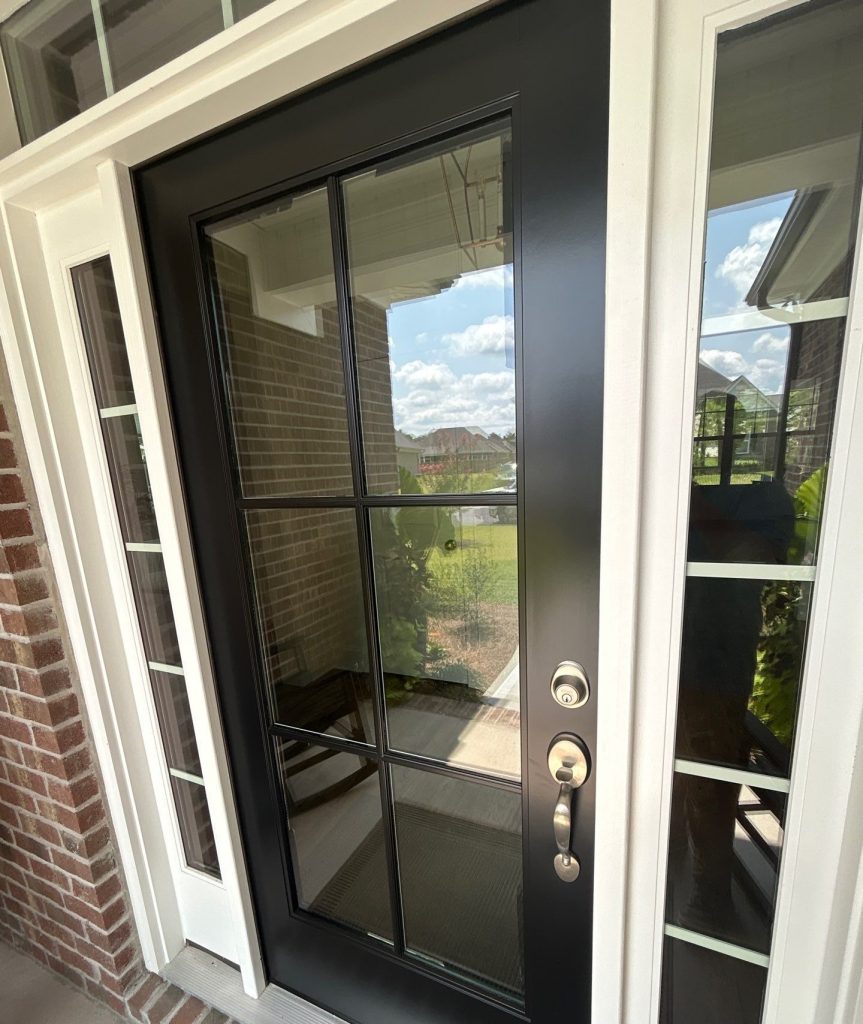
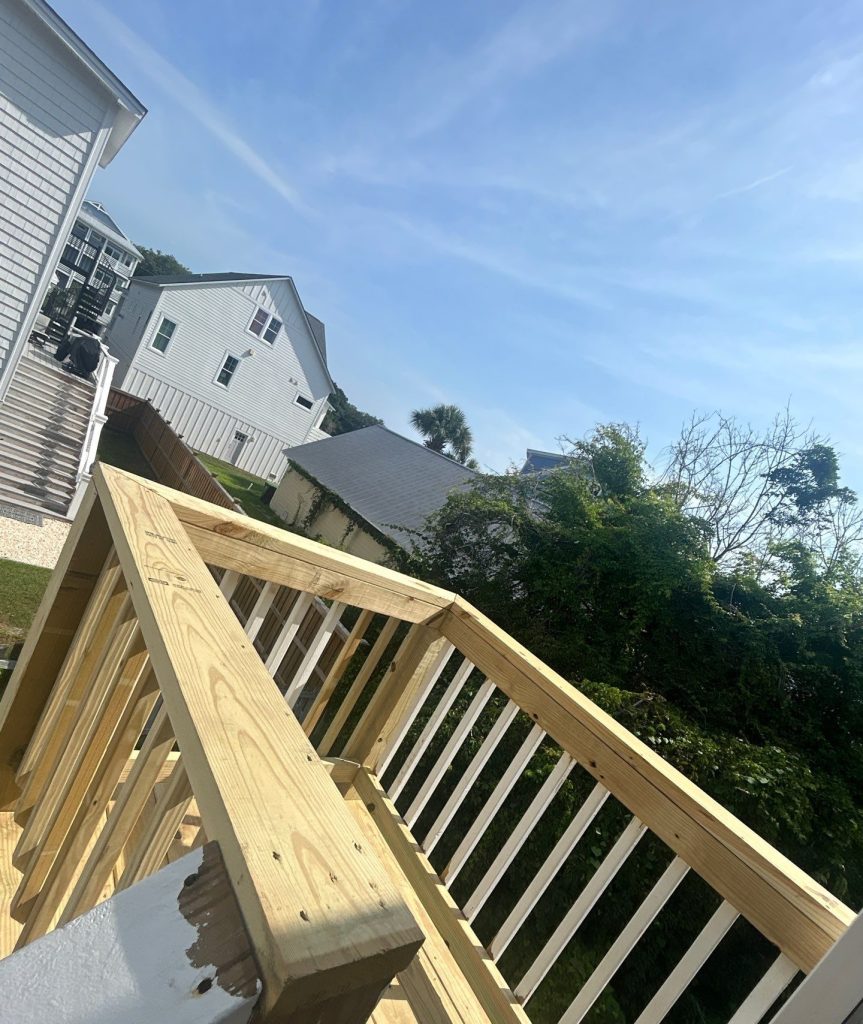
RGR’s services include interior remodeling, exterior improvements, additions, decks, and porches. The right scope still begins with your particular building. Review relevant project examples and ask which parts of your renovation align with the team’s documented work.
Verify Credentials and Ask About Coverage
Use the North Carolina Licensing Board for General Contractors license search to check the business you are considering. Make sure the name on the proposal matches the company you verify. Ask for current insurance documentation and clarify who coordinates the specialty trades involved in your project.
The Board’s home improvement guidance recommends checking credentials, references, insurance, and written project terms. Discuss permitting responsibilities with the contractor and confirm project-specific requirements with the local permitting office. A small footprint does not necessarily mean a simple scope when walls, wiring, plumbing, or ventilation are being changed.
Look for direct answers and documentation you can retain with the proposal. You should understand which business is contracting with you, who will supervise the site, and how to reach the person responsible for decisions.
Expect a Scope That Describes the Complete Result
A reliable proposal should help you picture what you will have when the work is finished. “Remodel the room” leaves too much open. Ask for the affected areas, retained features, new materials, preparation work, and finish restoration to be identified.
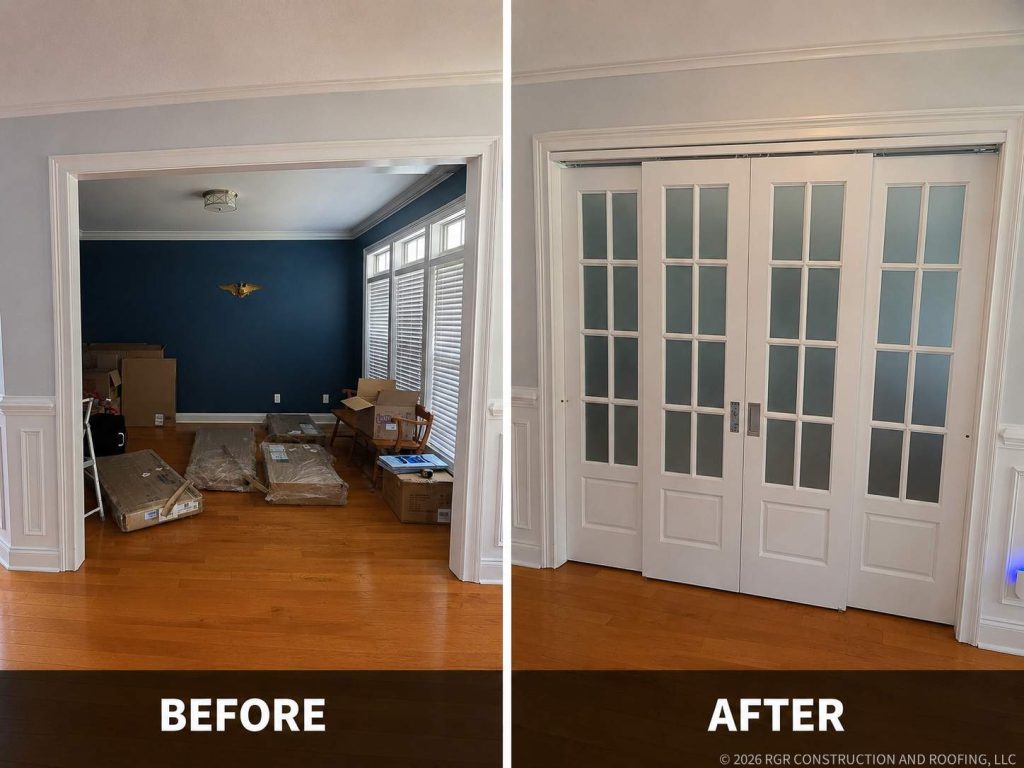
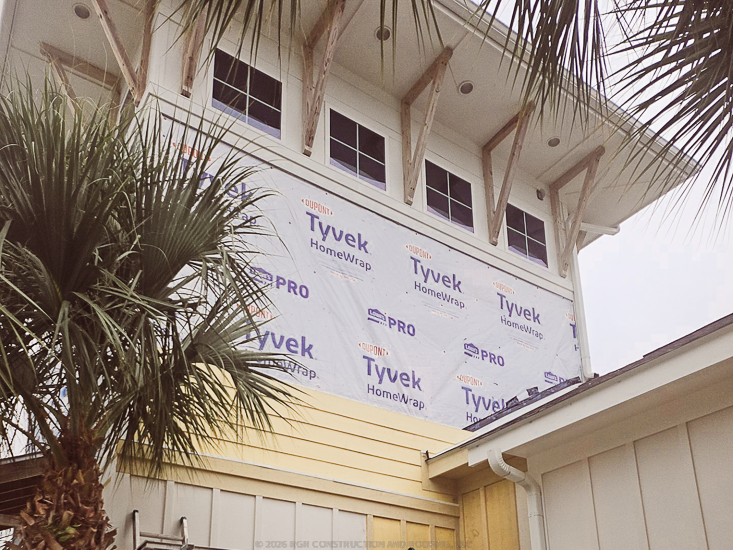
Consider a doorway change. The visible opening is only part of the discussion: adjoining drywall, trim, paint, flooring transitions, and anything inside the wall may need attention. Those connections should be addressed rather than left to assumptions. The same approach applies to exterior construction where new work meets an existing roof or wall.
Separate fixed selections from allowances. If a finish has not been chosen, ask what the allowance covers and how a different choice changes the price. Identify owner-supplied items and delivery responsibilities. This gives everyone a shared understanding before ordering or construction begins.
Ask How Communication and Changes Will Work
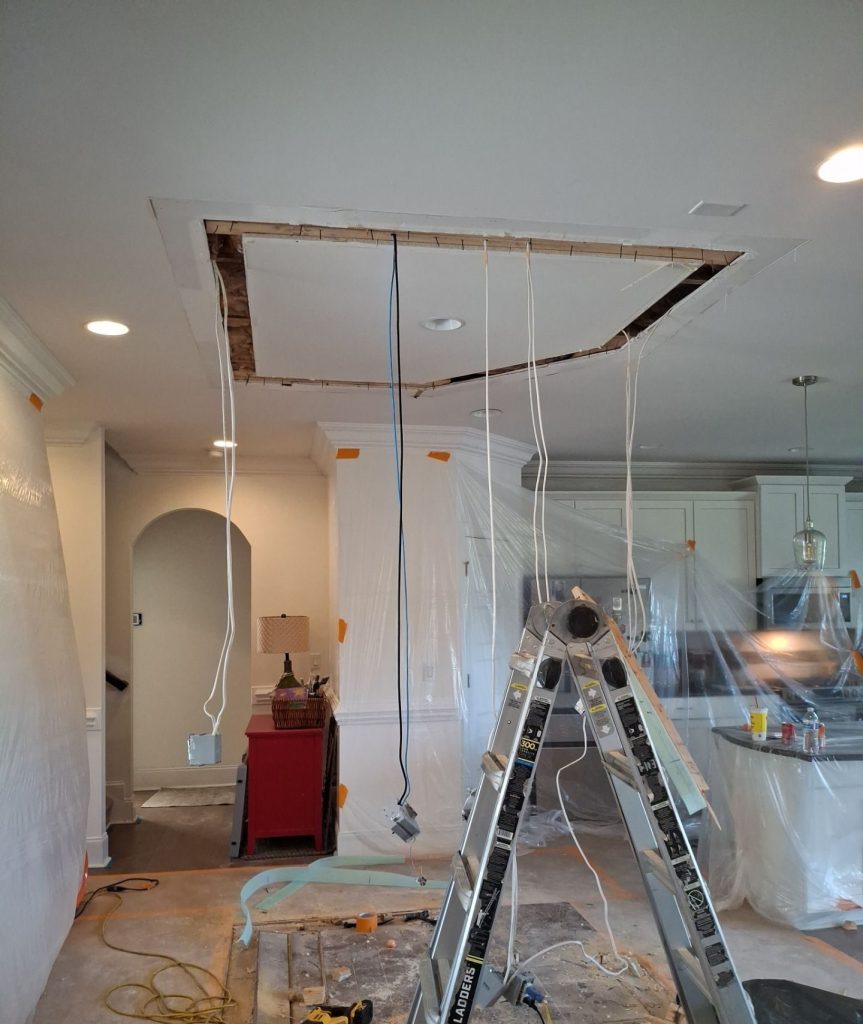
During the first conversations, notice whether the contractor answers the question you asked, records your priorities, and explains the next step. Good communication is especially valuable once walls are open and decisions affect several trades.
- Who is my regular contact during construction?
- How often will I receive progress and schedule updates?
- Which decisions do you need from me before work starts?
- How will unexpected conditions be photographed and explained?
- Will a change identify its price and schedule effect before I authorize it?
- Who coordinates subcontractor visits and any required inspections?
A written change process protects the project from drifting away from the original agreement. Ask how an urgent discovery will be handled if you are unavailable. Keep approvals in a form both you and the contractor can retrieve, rather than relying on a conversation remembered differently weeks later.
Compare Schedules, Household Impact, and References
Ask for a sequence of work, not only an estimated finish date. Design information, selections, deliveries, and access may need to be settled before construction can move efficiently. Identify when essential rooms or utilities could be unavailable and what temporary arrangements your household should make.
If you will remain at home, discuss work hours, entry routes, pets, dust protection, storage, and cleanup. Explain any constraints early, including remote work, medical appointments, or limited parking. A practical plan should address your household’s needs alongside the construction tasks.
When speaking with references, ask about the process as well as the finished result. Were questions answered? Were changes explained before they were made? Was the property kept reasonably organized? How were remaining items handled at the end? Specific examples tell you more than a general statement that the job went well.
Warning Signs and Questions Before Signing
Pause if important work is left undefined, if the business identity is unclear, or if you are pressed to decide before receiving written terms. A low price is difficult to evaluate when the material selections, finish work, and exclusions are missing. Ask for those details before comparing totals.
Confirm the payment schedule, completion review, and written warranty terms. Ask what records you will receive and whom to contact about a concern after completion. If a proposal changes during discussion, make sure the version you approve reflects the final agreement.
Frequently Asked Questions
Should I hire a general contractor for a single-room renovation?
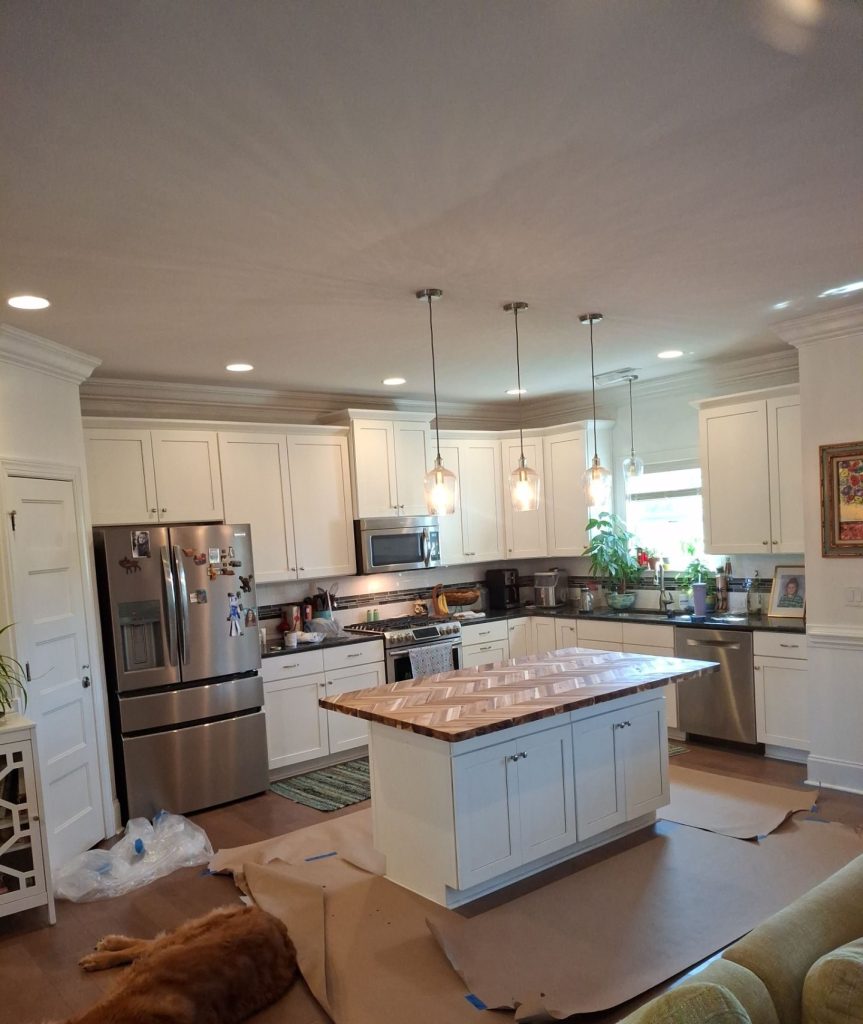
Consider the work rather than the room count. A single kitchen can require coordination across demolition, framing, electrical work, plumbing, cabinetry, and finishes. A focused cosmetic update may have a narrower scope.
How should I compare contractors for kitchen remodeling?
Start with the broader checks above, then compare kitchen-specific experience and the treatment of cabinets, appliances, counters, and connected work. Our guide to choosing a local kitchen remodeling contractor walks through those details.
How should unexpected renovation work be approved?
Ask for the finding, proposed work, price, and schedule effect to be recorded before authorizing the change. Agree on who can approve changes and how the contractor will contact you if an urgent decision is needed.
Discuss Your Home Renovation with RGR
RGR Construction and Roofing, LLC works with homeowners in Wilmington and surrounding communities in New Hanover, Brunswick, Pender, and Onslow Counties. Share the rooms or exterior areas involved, what you want to retain, and how you want the home to function.
Request a renovation project review or call (910) 408-6026. Photos, existing drawings, and a short list of priorities help start a productive conversation.
Share this article