
Loose panels, cracked boards, or the same patch of peeling trim can make you wonder whether another repair is enough. For homeowners in Wilmington and coastal Southeastern North Carolina, a siding replacement project should begin with two questions: what is happening to the existing exterior, and what needs attention behind it?
New siding can update your home’s appearance, but a good project also accounts for the wall beneath it, the windows and doors, and the places where the roof meets the siding. Here is how to plan the work and understand the choices before requesting an estimate.
Signs your siding needs a closer look
Walk around the property from safely accessible ground and note what has changed. Useful observations include:
- Loose, cracked, or missing pieces. Record where the damage occurs and whether it followed a storm or impact.
- Warped or swollen areas. Ask what caused the change before deciding that replacement panels alone will solve it.
- Recurring deterioration. Repeated rot or paint failure around the same trim, window, or door deserves investigation.
- Increasing maintenance. Frequent patching and repainting can justify comparing a larger replacement with continued repairs.
James Hardie’s siding replacement planning guide also recommends considering the extent of damage and the maintenance history. Fading or an outdated color can motivate a cosmetic update, but those observations alone do not establish concealed wall damage. Photograph the concern and describe its history rather than trying to diagnose it yourself.
Repair one area or replace the siding?
A focused repair may be practical when damage is limited, surrounding construction remains sound, and compatible siding is available. Matching the original profile and color matters, especially when the existing material has weathered or the product is no longer made.
Replacement becomes a stronger option when problems extend across several areas, previous repairs keep failing, or removal is needed to address the wall underneath. The scope might cover one elevation or the entire house. Ask the contractor to identify exactly which walls, corners, trim pieces, and openings are included.
RGR’s siding repair and replacement services include reviewing localized repairs, specified replacement areas, and connected sheathing or trim work. The appropriate scope depends on the building’s condition and the materials that can be supported.
Look beyond the new siding
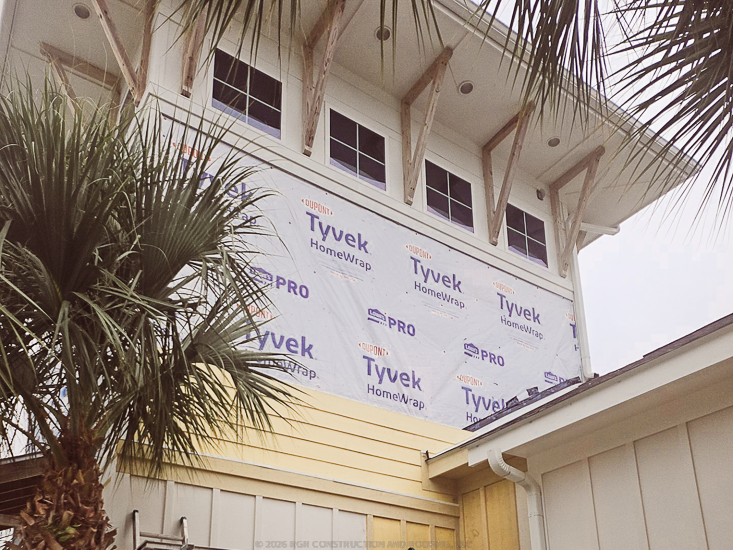
Siding is one part of the exterior wall. The sheathing provides a substrate; the water-resistive barrier and flashing help manage water behind the visible finish. Connections around windows, doors, penetrations, and adjoining roofs need to work together.
The Vinyl Siding Institute installation manual calls for a continuous water-resistive barrier and integrated flashing. For a homeowner, the practical question is simple: how will these details be evaluated and addressed before new siding covers the wall?

Some damage becomes visible only after removal begins. Agree on how newly exposed conditions will be photographed, explained, priced, and approved. If a window leak or recurring trim problem prompted the project, include that history in the initial conversation. RGR can review related siding and exterior repairs as part of defining the work.
Compare materials and maintenance together
Start with the look you want, then compare the requirements of the specific products being proposed.
- Vinyl siding: Review profile, color, matching options, cleaning guidance, and installation details that allow the panels to move with temperature changes.
- Fiber cement siding: Compare the finished appearance and coating choices, along with product-specific fastening, flashing, and clearance requirements.
- Wood or engineered wood: Ask about the selected product’s finish, maintenance schedule, moisture details, and repair options.
Manufacturer instructions matter even when two products look similar. For example, James Hardie’s lap siding guidance directs installers to the instructions appropriate to the product and climate zone. Confirm with RGR which systems are suitable and available for your project before committing to a material.
What a siding replacement estimate should cover
Compare written scopes alongside the totals. A useful proposal should make the following clear:
- Removal and disposal: Which siding and related materials will be removed, retained, and hauled away?
- Wall preparation: What sheathing, water-resistive barrier, flashing, and opening details are included?
- Materials and finishes: Which product, profile, color, trim, accessories, and painting work are specified?
- Concealed conditions: How will additional deterioration affect the scope and approval process?
- Access and closeout: How will deliveries, occupied entrances, cleanup, and the final walkthrough be handled?
Wall area, building height, access, removal requirements, material selection, trim complexity, and underlying repairs all influence the price. A site-specific estimate is more useful than a generic whole-house number that assumes those details are the same for every property.
Plan the work around your property
Before the first visit, gather wide photos of each affected wall, closer photos of concerns, and any records of previous repairs. Share your property location, preferred timeframe, and whether the home is occupied or used as a rental. Identify pets, parking restrictions, delivery space, and the entrances people need each day.
Ask how the work will be sequenced and how exposed areas will be protected as conditions change. Weather, material availability, and newly discovered repairs can affect the schedule. If you also want new trim, windows, or exterior remodeling, discuss those goals early so the work can be coordinated.
Siding Replacement Questions
Can I replace the siding on just one wall?
A replacement scope may cover one wall or the entire home. The decision depends on the extent of damage, the surrounding construction, and whether a compatible siding profile and color are available. Ask which walls, trim pieces, and openings the estimate includes.
Does new siding fix water damage behind the wall?
New siding alone does not address deteriorated sheathing, a failed water-resistive barrier, or flashing defects. The proposed work should explain how those conditions will be evaluated and repaired before the new finish covers them.
What affects the cost of siding replacement?
Wall area, building height, access, removal and disposal, material selection, trim details, and underlying repairs all affect the scope. Compare written proposals that identify the same work rather than relying on a generic whole-house price.
What happens if damaged wood is found after the old siding is removed?
Agree on a process before work starts. Newly exposed conditions should be documented and explained, with the proposed repair, price, and schedule effect reviewed before additional work is authorized.
Talk with RGR about replacing your siding
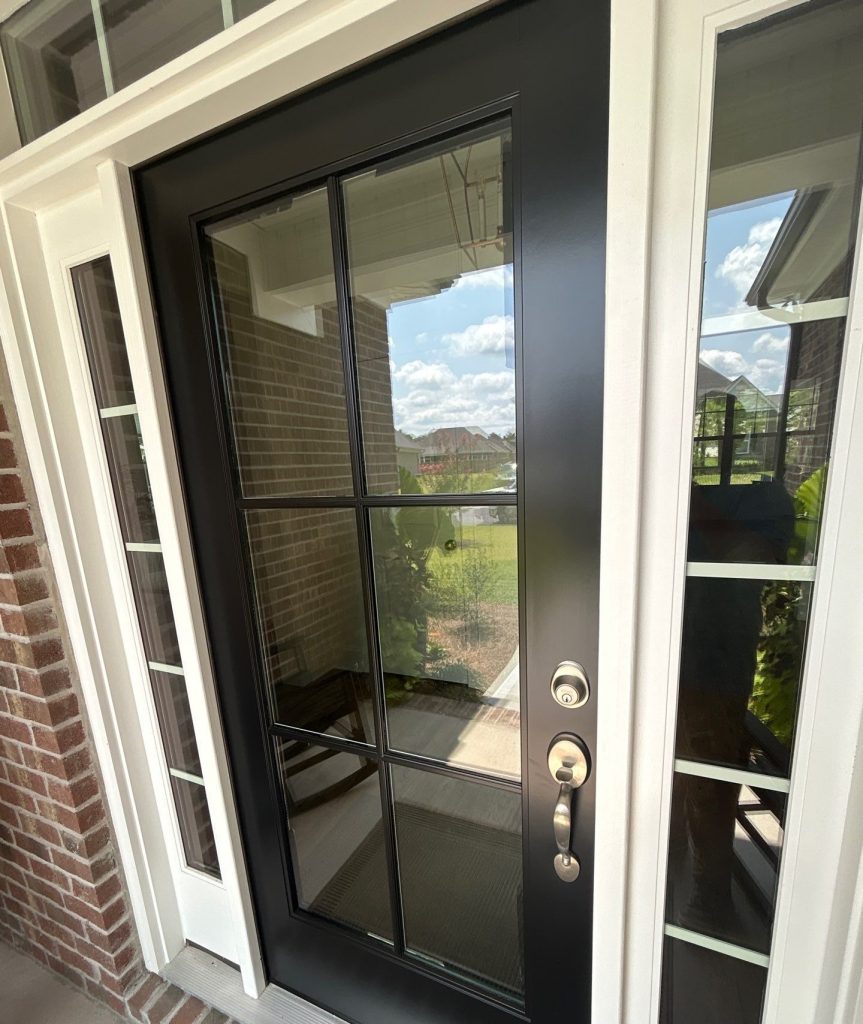
The featured photo comes from RGR’s published vinyl siding project in Leland. It is one local example; your replacement plan should reflect your own home’s condition, appearance goals, and repair needs.
RGR Construction and Roofing, LLC serves Wilmington and Southeastern North Carolina. Whether you need a damaged area reviewed or want to discuss replacing several walls, start with a clear description of the property and what you have noticed.
Request a siding replacement estimate or call (910) 408-6026 to discuss the next step.
Share this article