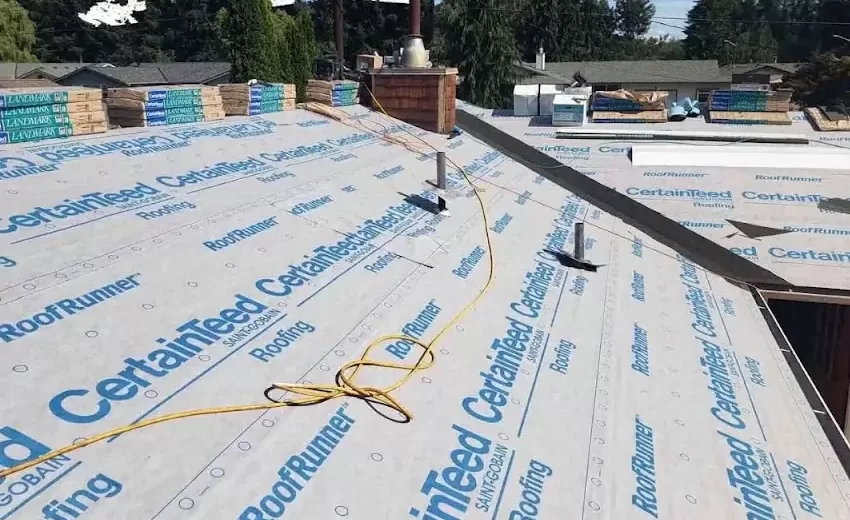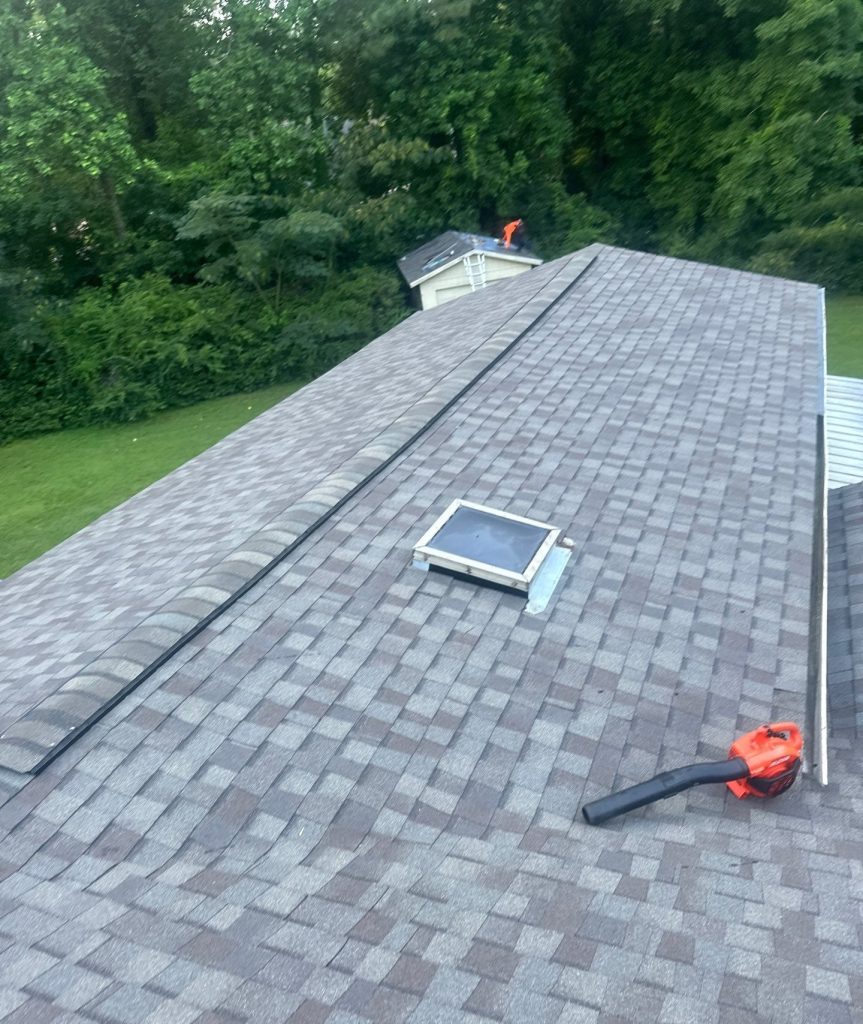
How should you prepare for a roof replacement? Agree on delivery and parking locations, a safe way in and out of the house, and the person who will answer questions during the work. Move belongings from the agreed work area, plan for noise, and confirm how the contractor will communicate weather delays or unexpected findings. Your contractor’s instructions for your particular home should guide the final checklist.
Once you have chosen the shingles and signed the proposal, the next questions are often ordinary ones. Can you get your car out? Where will the dog go? What happens if the crew needs a decision while you are at work?
For a Wilmington homeowner, a little planning before roof replacement can make the work easier to live around. This guide focuses on the household arrangements to settle before delivery day. If you are still deciding on the work itself, start with our roof repair or replacement guide.
Make a simple property plan with the contractor
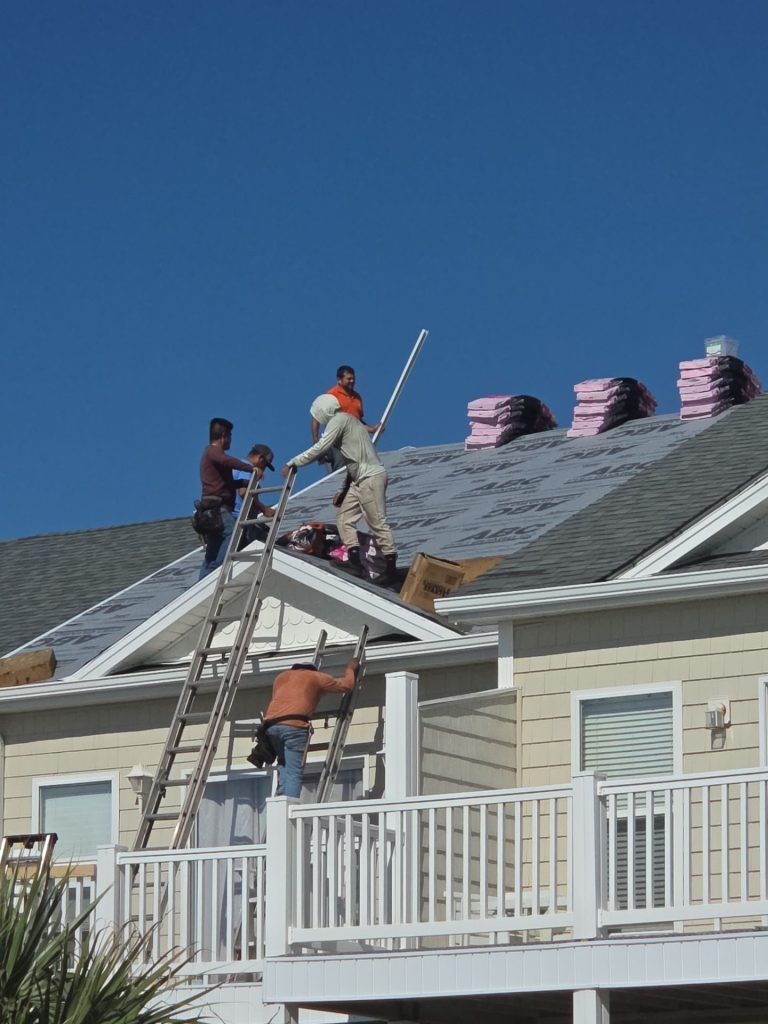
Use a phone photo or rough sketch to identify the driveway, gates, entrances and places you use every day. Ask where materials and debris containers will go, when they will arrive, and which areas must stay clear. A delivery may happen before the installation crew arrives, so the access plan needs to cover both days.
Think beyond the car you drive most often. A vehicle in the garage, a trailer behind a gate or a recycling bin beside the house may need to be moved before access changes. Identify any parking restrictions that apply to your property and agree on an alternative before the truck is on its way.
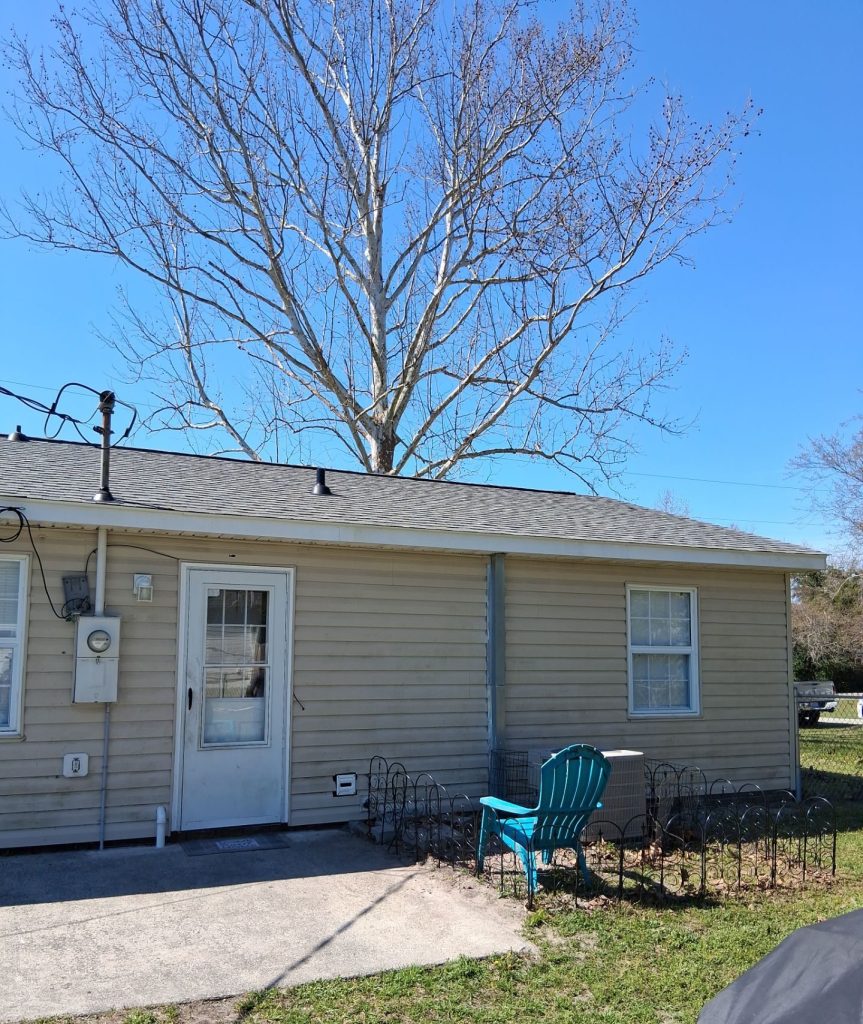
Point out outdoor items that deserve particular care and discuss who will move them. Do not assume that every item in a work area is included in the contractor’s preparation. Put the agreed homeowner tasks on one short list, with a deadline that comes before delivery.
Decide how the household will use the home
Write down the activities that would be difficult to interrupt: a work call, a child’s nap, a care visit or someone’s daytime sleep. Explain those needs during scheduling. A roof replacement involves noise; the useful planning question is which activities can move elsewhere and which require a specific conversation with the contractor.
If you plan to stay home, ask which entrance to use and how to check before going outside. Everyone in the household should know that route. If you will be away, explain how the contractor can reach you and whether anyone else is authorized to answer a question on your behalf.
Make a separate plan for pets. An open gate or an unfamiliar routine can complicate an otherwise ordinary day. Decide who will handle walks and deliveries so that no one unexpectedly enters the agreed work area. Keep children and visitors out of the construction zone.
Protect belongings before the morning rush
GAF’s homeowner guidance recommends clearing exterior clutter and protecting fragile interior items from hammering vibrations, dust and debris. Walk through the rooms beneath the roof and ask your contractor what precautions apply to your home. Discuss attic or garage storage before work begins; only enter storage spaces that are normally safe and accessible.
Keep anything you will need during the work somewhere easy to reach. That might include a stroller, gardening equipment, delivery instructions or the keys to a second vehicle. Preparing the access route is less useful if an everyday item remains behind the material stack.
Take a few dated photographs of the driveway, landscaping and exterior before work starts. They provide a shared reference if a question comes up later. This is also a good time to point out an existing cracked paver or damaged trim, so the starting condition is clear to both sides.
Confirm the decisions that may come during the job
Ask who your day-to-day contact will be and how updates will arrive. Save the agreed number and make sure the contractor has the best way to reach you. A useful update should tell you what was found, what it means for the scope, and whether a decision is needed.
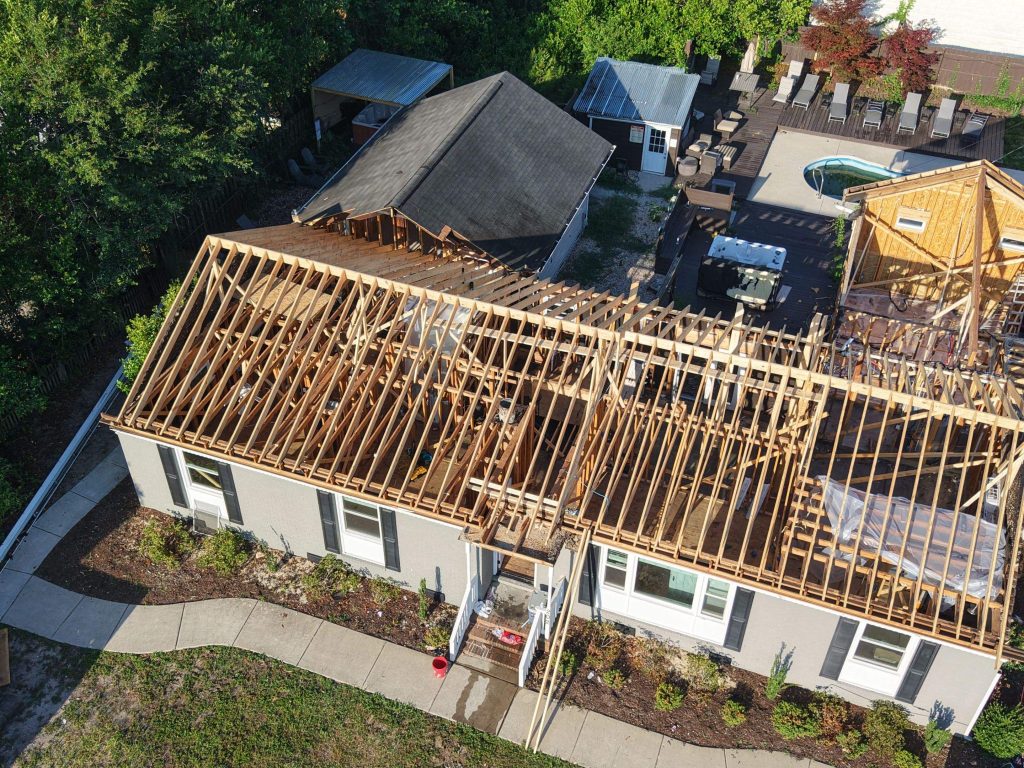
For example, if removal exposes deteriorated roof decking, you should understand how the condition will be documented and how any additional work will be priced and approved under your agreement. Discuss that process before the roof is opened. You do not have to predict the quantity of concealed damage to agree on how a change will be handled.
Keep the approved proposal and product selections in one place. If more than one owner is involved, decide who can authorize changes. Ask for proposed changes in writing, including any effect on price or timing, so that everyone is reviewing the same information.
Leave room for weather and related work
A planned start date is useful, but ask how the contractor will confirm it and communicate a weather-related change. For a coastal North Carolina project, it is sensible to discuss the plan before the forecast becomes the morning’s main question. Ask who will contact you, whether delivery dates may also change, and what access you should continue to keep clear.
Tell the roofer about equipment or features attached to the roof. GAF’s roofing-project checklist calls for advance coordination around satellite dishes and solar panels. Ask which qualified provider handles removal, reconnection and scheduling. Do not remove roof-mounted equipment yourself to speed up the job.
If you have a separate gutter, siding or painting project planned, share its timing as well. Have the contractors explain any necessary sequence rather than booking everyone for the same morning. A short coordination conversation can prevent an avoidable return visit.
Agree on the handoff before work begins
Ask what the completion review will include and when normal use of the driveway and yard can resume. Confirm the process for checking cleanup, collecting remaining materials and addressing any items that need another visit. Keep people and pets away from the work area until the contractor says it is ready for normal use.
Make a place for the final documents: the agreed scope and changes, product information, warranty terms and the contact for follow-up questions. Ask who handles any required registration and what confirmation you will receive. Read the actual coverage documents rather than assuming every part of the roof has the same protection.
RGR Construction and Roofing serves Wilmington homeowners with roofing and construction work. Request an RGR estimate and mention access concerns, household needs and related projects early. A clear preparation conversation helps turn a proposed roof replacement into a practical plan for your home.
Roof replacement preparation FAQs
Do I have to stay home during a roof replacement?
Confirm that with your contractor. The important arrangements are reliable access, a safe route for anyone who remains home, and a person who can answer questions or approve changes. If you leave, agree on how updates will reach you and who can make decisions if you are unavailable.
Where should I park on installation day?
Ask for a location outside the delivery, debris and work areas. Move any vehicle that could be blocked in before materials arrive, and observe local parking restrictions. A vehicle in the garage may need to come out before delivery, even if you do not usually drive it.
Can I work from home while the roof is being replaced?
Roofing noise may interfere with calls or focused work. Explain your schedule before installation and consider another location for activities that need quiet. Avoid relying on a promise of a quiet hour unless the contractor has specifically confirmed what is practical.
What if the contractor finds damaged wood under the shingles?
Ask for documentation and a clear explanation of the proposed repair. The agreement should explain how additional work is priced and approved, including any change to timing. Settle that process beforehand so an unexpected finding does not leave either side guessing.
What should I ask for when the job is finished?
Request a completion review, confirmation that the work area is ready to use, and the final scope, change records and applicable product and warranty documents. Keep the contractor’s follow-up contact with those records so you know where to raise a question later.
Share this article