
Choosing the right roofer is crucial for safeguarding your home’s structural integrity, preventing costly damage, and maximizing property value through quality roofing services. This guide delivers actionable steps, from verifying credentials to assessing materials, so Wilmington homeowners can confidently select a licensed, insured roofing contractor. You’ll learn why the right roofer matters, how to vet licenses and certifications, the key questions to ask, material comparisons, insurance-claim navigation, local company selection, and maintenance signs. By following this roadmap, you’ll secure durable roofing solutions while tapping into trusted local expertise.
Why Is Choosing the Right Roofer Important for Your Home?
Selecting a qualified roofing contractor ensures proper installation, lasting protection, and enhanced curb appeal by using proven techniques and premium materials. A professional roofer employs systematic inspection and quality control processes that prevent leaks and structural damage, directly supporting home safety and investment value.
Importance of Choosing a Qualified Roofer
Selecting a qualified roofing contractor is crucial for ensuring proper installation, lasting protection, and enhanced curb appeal. A professional roofer employs systematic inspection and quality control processes that prevent leaks and structural damage, directly supporting home safety and investment value.
National Roofing Contractors Association, Roofing Manual: Steep-Slope Roofing (2019)
This research supports the article’s emphasis on the importance of choosing a qualified roofer for home protection and value.
What Are the Risks of Hiring an Unlicensed or Uninsured Roofer?
Unlicensed or uninsured roofers expose homeowners to liability and shoddy workmanship. Without proper licensing, a contractor may lack required training and local code knowledge, increasing the chance of substandard roofing. Missing insurance coverage shifts injury and property-damage liability to you, rather than the contractor’s policy. These risks combine to threaten safety, aesthetic appeal, and financial security, so always confirm credentials before hiring.
How Does Quality Roofing Impact Your Home’s Safety and Value?
High-quality roofing uses durable materials and expert installation methods to resist wind, moisture, and UV exposure, thereby preventing rot, mold growth, and interior damage. This protective layer safeguards structural components and HVAC efficiency, reducing repair costs over time. Well-installed roofing can boost resale value by demonstrating lasting performance and aesthetic curb appeal that attract buyers.
What Are the Benefits of Hiring a Local Roofing Company in Wilmington?
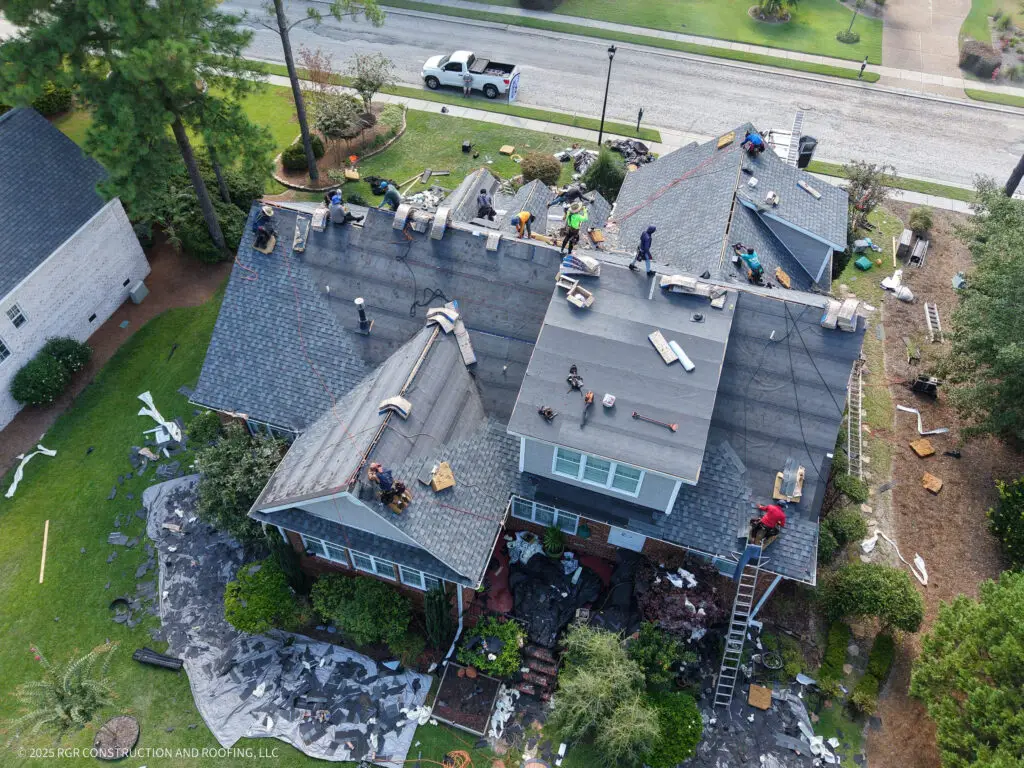
Hiring a Wilmington-based contractor leverages local building-code expertise, fast response times after coastal storms, and established relationships with municipal inspectors. Local roofers understand climate challenges like humidity and hurricane winds, tailoring material recommendations accordingly. This community-focused approach fosters accountability, ongoing maintenance support, and positive reputation effects rooted in neighbor referrals.
Benefits of Hiring a Local Roofing Company
Hiring a local roofing company offers advantages such as expertise in local building codes, faster response times after coastal storms, and established relationships with municipal inspectors. Local roofers understand climate challenges, tailoring material recommendations accordingly, and fostering accountability.
U.S. Department of Housing and Urban Development, Residential Construction Handbook (2022)
This source reinforces the article’s advice on the benefits of hiring a local roofing company.
How Do You Verify a Roofing Contractor’s License, Insurance, and Certifications?
Verifying a roofing contractor’s credentials confirms compliance with state regulations, protects you from liability, and signals commitment to industry standards. Always require documentation before work begins to ensure full coverage and expertise.
What Licenses Should a Reputable Roofer Have in North Carolina?
A licensed North Carolina roofer holds a General Contractor license with roofing classification or a Residential Roofing license for homes under two stories. These licenses indicate successful exams on building codes, safety protocols, and business practices. Checking license status through the North Carolina Licensing Board ensures the contractor passes ongoing education requirements.
How to Confirm Roofing Insurance Coverage and What It Should Include?
Confirm valid general liability insurance (minimum $1 million per occurrence) and workers’ compensation policies by requesting a certificate of insurance from the contractor’s insurer. Verify policy dates, coverage limits, and named insured details directly with the issuing company. Proper coverage protects you from claims arising from on-site accidents, property damage, or third-party injuries.
Which Certifications and Industry Accreditations Indicate Expertise?
Certifications such as GAF Master Elite, Owens Corning Preferred Contractor, or IBHS FORTIFIED™ designation reflect manufacturer training, product warranties, and installation best practices. These credentials signal advanced skill in handling specific materials, storm-resistance standards, and roofing system warranties that extend beyond basic manufacturer guarantees.
Where Can You Check a Roofer’s License and Insurance Online?
State licensing boards and insurance-department websites provide searchable databases for contractor license verification and bond status. For Wilmington, use the North Carolina Licensing Board for General Contractors site, and cross-reference insurance certificates via the contractor’s insurer portal. These public resources offer real-time license status and bond expirations.
What Key Questions Should You Ask a Roofing Company Before Hiring?
Asking focused questions clarifies scope, pricing, timelines, and guarantees, empowering you to compare contractors on equal footing. Prepare this vetting questionnaire before scheduling estimates.
Before obtaining estimates, review these contractor vetting questions:
- Can you provide a detailed written estimate with itemized materials and labor costs?
- What is your projected project timeline, including start and completion dates?
- Do you handle all required permits and inspections?
- Which manufacturer warranties and workmanship guarantees do you offer?
- How do you address unexpected issues or change orders?
- Who will be my primary project contact and how can I reach them?
These targeted questions surface transparency and reliability, helping homeowners evaluate each roofing company’s professionalism.
How Do You Request and Compare Detailed Roofing Estimates?
Request at least three itemized bids that specify shingle type, underlayment, flashing details, labor rate, disposal fees, and permit costs. Compare line-by-line to spot omissions or unusually low prices. Consistency in scope ensures apples-to-apples comparisons and reveals hidden charges before contract signing.
What Should Be Included in a Roofing Contract?
A comprehensive roofing contract outlines project scope, material brands and specifications, payment schedule, permit responsibilities, cleanup procedures, and lien waiver terms. It also specifies start and finish dates, change-order processes, insurance verification, and warranty details. Clear contractual terms prevent disputes and safeguard homeowner interests.
How Do Roofing Warranties Work: Material vs. Workmanship?
| Warranty Type | Coverage | Provider |
|---|---|---|
| Material | Manufacturer defects and durability | Shingle manufacturer |
| Workmanship | Installation errors and leaks | Roofing contractor |
Understanding Roofing Warranties
Roofing warranties are divided into material and workmanship warranties. Material warranties cover manufacturer defects, while workmanship warranties guarantee proper installation and address leaks caused by contractor error. Confirming the duration and transferability of warranties is essential for future homeowners.
Consumer Reports, Roofing Warranties: What You Need to Know (2023)
This citation provides additional information on the different types of roofing warranties, which is relevant to the article’s discussion of warranties.
Why Is Clear Communication and Customer Service Essential During Roofing Projects?
Effective communication establishes trust, aligns expectations, and adapts to unforeseen challenges through prompt updates and documentation. A dedicated project manager ensures scheduling accuracy, site safety compliance, and responsive issue resolution. This service-oriented approach minimizes downtime and assures homeowner confidence from start to finish.
Which Roofing Materials Are Best for Your Home in Wilmington?
Selecting the optimal roofing material balances durability, cost, aesthetic appeal, and climate resilience. Compare common options side by side to determine the best fit.
Below is a comparison of popular materials:
| Material | Durability (Years) | Cost per Square Foot | Key Benefit | Considerations |
|---|---|---|---|---|
| Asphalt Shingles | 20–30 | $3–$5 | Budget-friendly and versatile | Moderate wind resistance, shorter lifespan |
| Metal | 40–70 | $7–$12 | Exceptional longevity and reflectivity | Higher upfront cost, noise during rain |
| Slate | 75–100+ | $10–$25 | Premium appearance, fire-resistant | Heavy weight, requires reinforced structure |
| Tile | 50–100 | $8–$15 | Durable, low maintenance | Brittle under impact, requires professional installation |
What Are the Pros and Cons of Asphalt Shingles, Metal, Slate, and Tile Roofs?
Asphalt shingles offer affordability and ease of installation but need replacement sooner. Metal roofs boast recycling value, energy savings, and impact resistance, though they require specialized fastening. Slate provides decades-long durability with minimal upkeep, offset by high weight. Tile combines longevity and aesthetic charm but demands strong support framing and careful handling during installation.
How Do Weather Conditions in Wilmington Affect Roofing Material Choice?
Wilmington’s coastal climate subjects roofs to high humidity, salt air corrosion, intense sun UV, and hurricane-force winds. Materials with Class 4 impact resistance, corrosion-resistant coatings, and elevated wind-lift ratings mitigate these threats. Reflective surfaces curb attic heat gain, reducing cooling loads and preventing premature material degradation.
How Do Roofing Material Warranties Differ by Type?
| Material | Warranty Length | Wind Rating | Algae/Moss Coverage | Transfer Options |
|---|---|---|---|---|
| Asphalt Shingles | 20–50 years | Up to 130 mph | 10–25 years | Often transferable |
| Metal | 30–70 years | 150 mph+ | N/A | Limited transfer |
| Slate | Lifetime | 120 mph | N/A | Lifelong transfer |
| Tile | 50–75 years | 110 mph | N/A | Limited transfer |
When Is Roof Repair Enough vs. When Is Replacement Necessary?
Minor issues such as isolated shingle damage, small leaks, or localized flashing failure often warrant repair, extending roof life affordably. Extensive granule loss, widespread rot, decking sagging, or warranty expiration indicate full replacement is more cost-effective. Assess repair costs against expected remaining lifespan to make an informed decision.
How Can You Navigate Roof Insurance Claims After Storm Damage?
Navigating insurance claims effectively maximizes reimbursement and expedites repairs by following a structured process. Proper documentation and professional assessments ensure your claim aligns with policy terms.
What Steps Should Homeowners Take to File a Roof Damage Insurance Claim?
- Document damage with date-stamped photos and videos after each storm event.
- Review your homeowner’s insurance policy for covered perils, deductibles, and limits.
- Notify your insurance company promptly and submit initial claim forms.
- Arrange a professional roof inspection report to support damage assessments.
- Provide all documentation and the inspection report to your adjuster for evaluation.
These steps streamline claim approval and safeguard against underpayment, reducing out-of-pocket expenses.
How Do Insurance Adjusters Assess Roof Damage?
Adjusters evaluate storm damage by inspecting granule loss, hail impact dents, missing shingles, and underlying structural issues. They compare pre-loss and post-loss conditions, cross-reference policy language, and measure repair estimates against industry standard pricing guides. A thorough adjuster report dictates claim settlement amounts.
What Are Common Deductibles and Coverage Limits for Roof Repairs?
Typical homeowner deductibles range from 1% to 5% of dwelling coverage value, with higher wind/hail-specific deductibles common in coastal areas. Coverage limits may exclude pre-existing damage or wear-and-tear. Understanding these financial parameters helps homeowners budget for deductibles and anticipate potential gaps in coverage.
How Can a Roofing Company Assist with Storm Damage Restoration and Insurance?
A professional roofing contractor provides detailed damage reports, itemized repair estimates, and direct communication with adjusters to substantiate claims. They can expedite emergency tarping, permit acquisitions, and permanent repairs, ensuring policy compliance and minimizing further property exposure. This partnership allows homeowners to focus on claim logistics while the roofing company handles restoration.
How Do You Find and Choose the Best Local Roofing Companies Near Me in Wilmington?
Identifying top-rated Wilmington roofers requires evaluating reputation, credentials, and service offerings tailored to coastal demands. Focus on contractors with strong local reviews, code compliance, and transparent estimates.
What Are the Top Qualities of Reputable Wilmington Roofing Companies?
Reputable Wilmington roofers exhibit these qualities:
- Verified Credentials: Active NC contractor license, insurance, and accredited certifications.
- Proven Track Record: Positive reviews highlighting storm-damage expertise and timely completion.
- Transparent Pricing: Detailed estimates without hidden fees or ambiguous allowances.
- Customer Service Excellence: Responsive communication, clear project updates, and dedicated point of contact.
- Local Code Familiarity: In-depth knowledge of Wilmington building codes, permitting, and coastal zone restrictions.
How to Use Online Reviews and Testimonials to Evaluate Roofers?
Examine multiple review platforms—Google, Yelp, and local data sources—for consistent feedback patterns. Prioritize recent reviews that mention project scope, communication clarity, cleanup diligence, and warranty fulfillment. Look for repeated praise of storm-damage response time or referral mentions to assess reliability in Wilmington’s climate.
What Local Building Codes and Permits Should Roofers Comply With?
Wilmington roofers must adhere to North Carolina Residential Building Codes, local wind-uplift requirements, and coastal flood zone regulations. Permits are required for roof replacements exceeding a certain square footage or structural modifications. Proper code compliance ensures safety inspections pass and protects homeowners from potential fines or insurance claim denials.
How to Request a Free Roof Inspection or Estimate from Local Roofers?
Contact prospective contractors via phone or online form to schedule a no-cost, on-site roof evaluation. Provide basic property details—age, size, shingle type—to streamline scheduling. Confirm the inspection includes a written report, photograph documentation, and a transparent, itemized estimate. This courtesy service offers insight into contractor professionalism before committing.
What Are the Signs You Need a Roof Inspection, Repair, or Replacement?

Early detection of roofing issues prevents extensive damage and extends material lifespan. Watch for these key indicators to determine when professional evaluation is necessary.
How to Spot Common Roof Damage: Leaks, Wear, and Storm Impact?
Inspect attic ceilings for water stains, sagging drywall, or mold growth indicating active leaks. On the roof surface, look for curling or missing shingles, granule loss, dented flashing, and visible shingle fractures after severe winds or hail. Prompt identification of these symptoms stops minor issues from escalating into structural failures.
When Should You Schedule a Professional Roof Inspection?
Schedule a professional inspection every two years or immediately after hailstorms, hurricanes, or major wind events. Pre-listing home inspections benefit property sales, while post-storm assessments document damage for insurance claims. Regular expert evaluations uncover hidden issues before visible symptoms arise.
What Are the Typical Costs and Timelines for Roof Repair vs. Replacement?
| Service | Average Cost Range | Typical Timeline | Key Factors |
|---|---|---|---|
| Roof Repair | $300–$1,200 per repair | 1–3 days | Extent of localized damage, material availability |
| Roof Replacement | $5,000–$12,000+ | 3–7 days | Roof size, material type, decking condition |
How Does Regular Roof Maintenance Extend Your Roof’s Lifespan?
Routine maintenance tasks—gutter cleaning, flashing inspections, moss removal, and shingle replacement—prevent moisture infiltration and structural decay. A proactive maintenance schedule upholds material warranties and delays costly overhauls. Consistent care keeps your roofing system performing optimally for its full rated lifespan.
Maintaining this preventive approach prepares homeowners to enjoy secure, durable roofing and supports informed decisions when replacement becomes necessary.
Roofing decisions involve many interconnected factors—from verifying credentials and comparing materials to navigating insurance claims and selecting local experts. By following these structured guidelines, Wilmington homeowners can confidently choose a reputable roofing contractor who delivers transparent estimates, code-compliant installations, and dependable service. Begin your roofing journey with a free on-site inspection today to secure long-lasting protection and peace of mind.
Frequently Asked Questions
What are the most common roofing materials used in Wilmington?
The most common roofing materials in Wilmington include asphalt shingles, metal, slate, and tile. Asphalt shingles are popular due to their affordability and versatility, while metal roofs offer exceptional durability and energy efficiency. Slate provides a premium appearance and longevity, but requires a reinforced structure due to its weight. Tile roofs are also durable and low maintenance, making them a favored choice in coastal areas. Each material has its pros and cons, so it’s essential to consider your specific needs and local climate when choosing.
How can I assess the reputation of a roofing company?
To assess a roofing company’s reputation, start by checking online reviews on platforms like Google, Yelp, and Angie’s List. Look for consistent feedback regarding their workmanship, customer service, and reliability. Additionally, ask for references from past clients and contact them to inquire about their experiences. Verify the company’s credentials, including licenses and insurance, and check for any complaints filed with the Better Business Bureau. A reputable company will have a strong track record and positive community feedback.
What should I do if my roof is leaking?
If your roof is leaking, it’s crucial to act quickly to minimize damage. First, move any furniture or valuables away from the leak area to prevent water damage. Use buckets or containers to catch dripping water. Next, inspect the roof for visible damage, such as missing shingles or cracks. Contact a professional roofing contractor immediately to assess the situation and perform necessary repairs. Prompt action can prevent further damage to your home and reduce repair costs.
What factors influence the cost of a roofing project?
The cost of a roofing project can be influenced by several factors, including the size and pitch of the roof, the type of materials chosen, and the complexity of the installation. Additional costs may arise from the need for structural repairs, permits, or disposal of old roofing materials. Labor costs can vary based on the contractor’s experience and local market rates. It’s essential to obtain multiple estimates to understand the pricing landscape and ensure you receive a fair deal.
How can I ensure my roofing project stays on schedule?
To ensure your roofing project stays on schedule, maintain clear communication with your contractor from the outset. Discuss the project timeline and any potential delays due to weather or material availability. Regularly check in for updates and address any concerns promptly. Preparing your property by clearing the work area and ensuring easy access can also help the crew work efficiently. Lastly, be flexible and understanding, as unforeseen issues may arise that could impact the timeline.
What are the benefits of regular roof maintenance?
Regular roof maintenance offers numerous benefits, including extending the lifespan of your roof, preventing costly repairs, and maintaining your home’s value. Routine inspections can identify minor issues before they escalate into significant problems, such as leaks or structural damage. Additionally, regular cleaning of gutters and debris helps prevent water buildup and potential damage. By investing in maintenance, homeowners can ensure their roofs remain in optimal condition, providing peace of mind and protecting their investment.
What should I do if I want to change my roofing material?
If you want to change your roofing material, start by researching the options available and their suitability for your home and local climate. Consult with a professional roofing contractor to discuss your goals, budget, and any structural considerations. They can provide insights on the best materials for your needs and help you understand the installation process. Ensure you obtain necessary permits and follow local building codes. Finally, schedule a professional inspection to assess your current roof’s condition before making any changes.
RGR Construction and Roofing is here to ease the stress when problems strike. Call us now to schedule your free estimate (910) 408-6026